



Security Management
In many organizations, physical security consists of well-functioning individual systems. It is only during an incident that it becomes clear whether those systems, processes, and responsibilities also converge into a single, manageable security process.
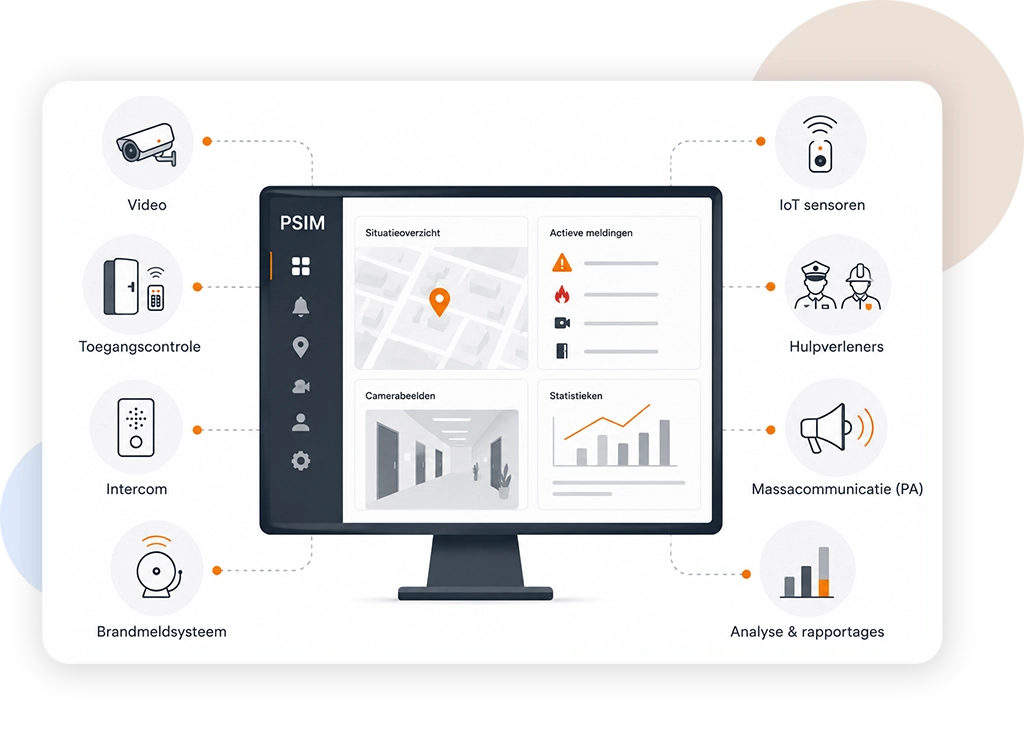
PSIM: context around incidents
A Physical Security Information Management system (PSIM) brings together alerts and information from different security systems. Think of camera footage, access events, detection alerts, intercom, and other relevant sources. This creates more context around an incident and allows fixed assessment and follow-up processes to be supported.
PIAM: grip on identities and access rights
A Physical Identity and Access Management solution (PIAM) focuses on identities and access rights. It helps centrally manage employees, visitors, contractors, and other external parties. This is not just about granting access, but specifically about changes during a new role, temporary work, different locations, or termination of employment.
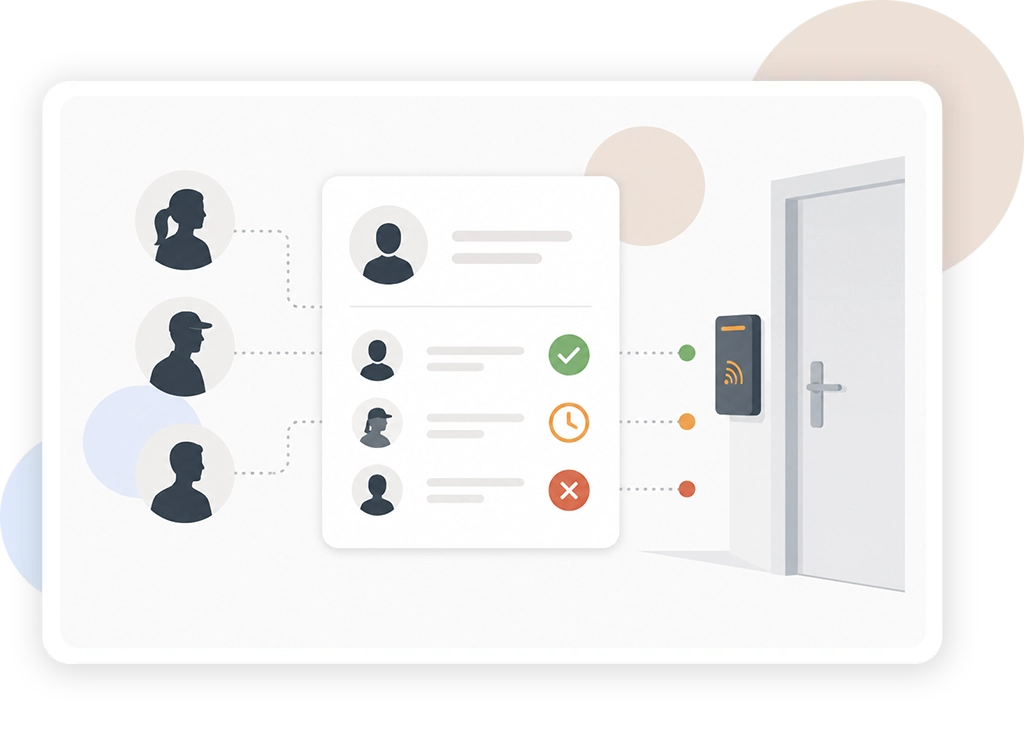
PSIM and PIAM support various challenges
PSIM primarily assists with the operational assessment and follow-up of incidents. PIAM supports the management of identities, roles, and access rights throughout the entire lifecycle. These solutions do not take over responsibilities. They do help organizations execute processes more consistently, make anomalies visible faster, and better record decisions. Which layer is needed follows from the issue: is it primarily incident context, grip on access rights, or cohesion between both that is missing?
Incident Response Management System
How does your organization respond in the event of a (terrorist) attack or major fire? Let technology optimize your decision-making and follow-up! In the chaos that arises during an emergency, we create clarity with our innovative app. With this, you always send the nearest person(s) with the right qualifications to the right place.
Ask your question to our experts
In case of any questions, our staff is here to help. They will gladly make your wish into a suitable solution.